Handicap auditif
Vous êtes en situation de handicap et souhaitez venir au musée Camille Claudel ? Nous vous accueillons et vous accompagnons dans la découverte des collections et des expositions. Pour vous, l’accès au musée est gratuit, prioritaire et sans attente, sur présentation d’un justificatif. Nos agents d’accueil et de surveillance sont à votre écoute dès votre arrivée, afin de vous apporter un confort optimal durant votre visite.
L’aire d’accueil du musée est équipée de boucles magnétiques. Les audioguides le sont aussi. Des fiches comportant des explications sur les œuvres sont mises à disposition dans les salles. Certains agents d’accueil et de surveillance ont été initiés à la langue des signes française.
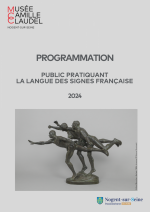
Pour les groupes de personnes non ou malentendantes pratiquant la langue des signes française, des visites guidées et des ateliers de pratique artistique peuvent être traduits sur réservation (accessibilite @ museecamilleclaudel.fr).

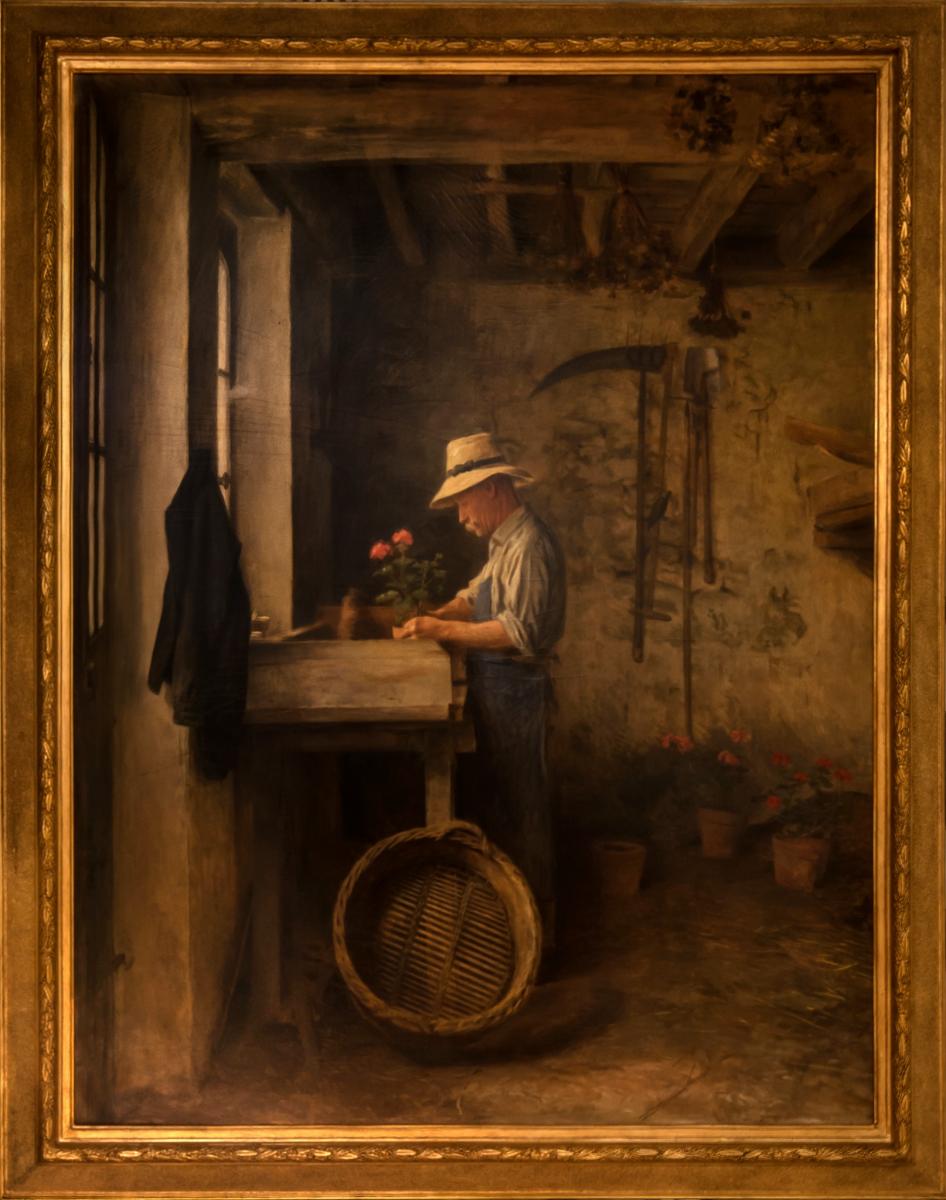
Le Jardinier Louis Gabut de Boeswillwald de retour en salle
Alors que nous célébrons aujourd’hui les 150 ans de la naissance de son auteur, ce grand tableau d’Émile Artus Boeswillwald a été intégré au parcours permanent du musée.
Grâce à différents dons et legs, le musée Camille Claudel conserve 36 tableaux et dessins de cet artiste dont la famille possédait une maison à Nogent-sur-Seine. Légué à la ville par Hippolyte Fournier en 1909, Le Jardinier a été choisi pour cet hommage en lien avec la thématique de la salle, consacrée aux représentations du travail.
Cette scène de genre figurant Louis Gabut, jardinier et voisin de l’artiste, s’inscrit dans une série de portraits de proches du peintre représentés dans les activités de leur vie quotidienne.
L'Abandon
L'Abandon
Fonte Eugène Blot n°2, 1905
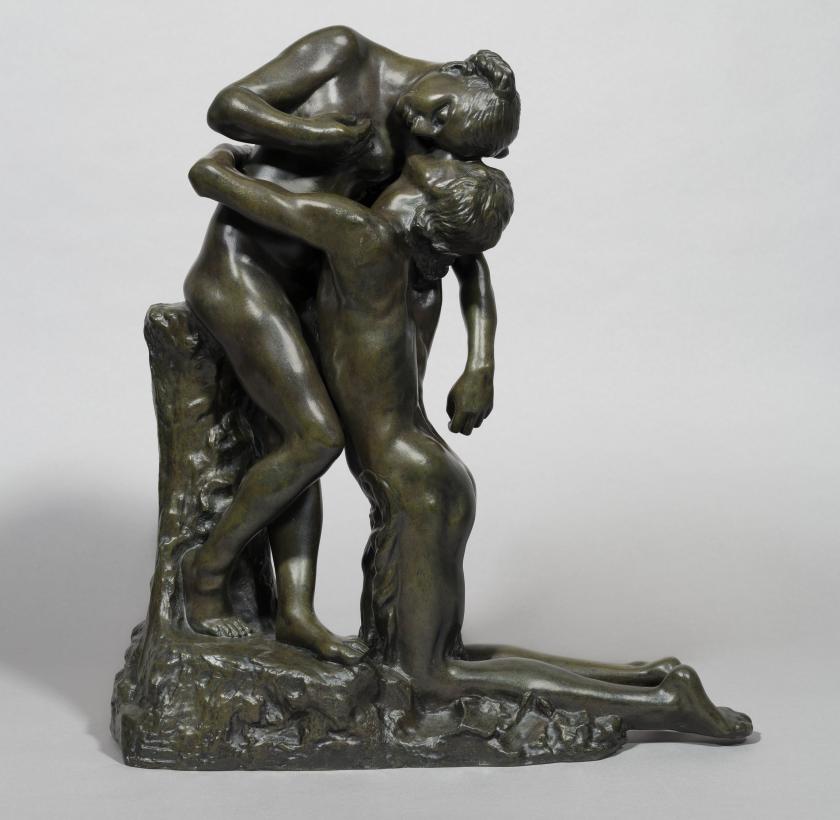
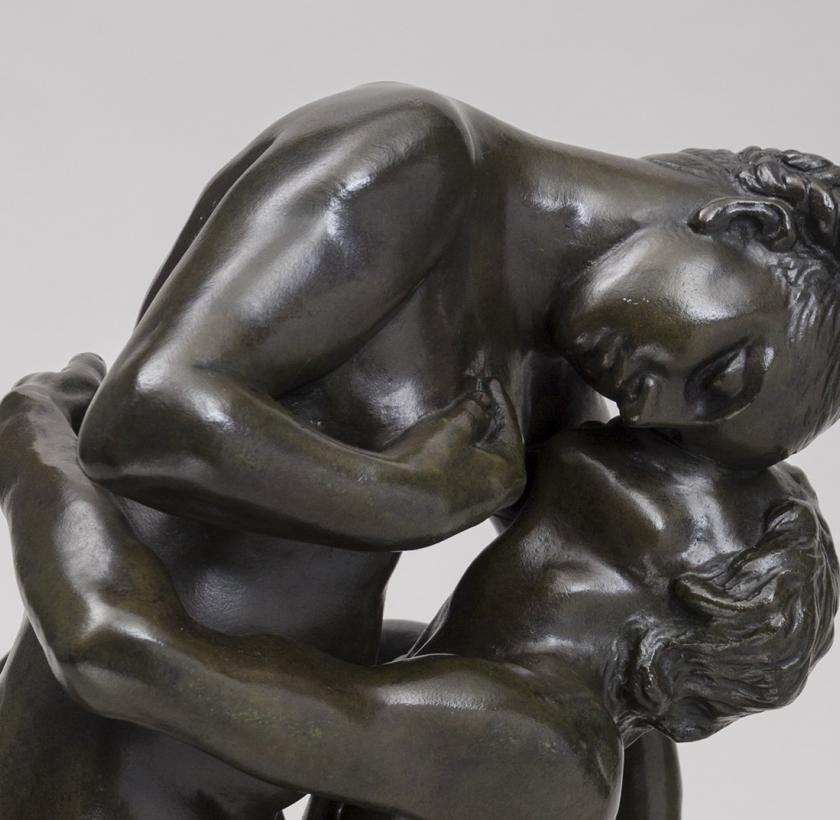
Cette sculpture en bronze est un petit modèle édité en 1905 par le fondeur et collectionneur Eugène Blot d’après un groupe réalisé par Camille Claudel entre 1886 et 1888, alors qu’elle travaillait dans l’atelier d’Auguste Rodin. Cette version a été légèrement revue par rapport au plâtre plus grand que nature qui fut exposé en 1888 au Salon des artistes français sous le titre Sakountala et qui obtint une mention honorable. L’homme est agenouillé, il soutient la jeune femme qui est debout. Celle-ci replie son bras droit pour cacher son sein, s’appuie sur sa jambe gauche. Le reste du corps se relâche, la femme s’abandonne entièrement dans les bras de l’homme. Les visages sont proches, il semble murmurer à son oreille ou prêt à lui donner un baiser. La source première, comme l’indique le titre du plâtre, est un drame écrit au IVe ou Ve siècle par le poète hindou Kalidasa : lors d’une partie de chasse, le roi Douchmanta rencontre la jeune Sakountala. Tous deux tombent immédiatement amoureux mais le roi doit quitter la jeune femme. En gage de son amour, il lui offre un anneau pour lui permettre de se faire reconnaître. Toutefois, victimes d’une vengeance, Sakountala se fait dérober l’alliance et Douchmanta oublie sa fiancée. Il finit par recouvrer la mémoire grâce à un pêcheur qui lui rapporte la bague trouvée dans le ventre d’un poisson. Un doute subsiste sur l’épisode qui a inspiré Camille Claudel. L’artiste a peut-être représenté la rencontre entre les deux amoureux. Il est aussi possible de voir dans cette sculpture le moment des retrouvailles alors que l’amant implore le pardon de Sakountala. Quoi qu’il en soit, cette sculpture dépasse la transcription d’un moment d’une histoire. L’Abandon : le titre de l’édition en bronze, est désormais allégorique, montrant l’importance accordée à la posture de l’amante confiante, qui s’abandonne dans les bras de l’être aimé. Camille Claudel interroge le lien amoureux, ses nuances et ses subtilités. L’enlacement du couple dévoile la ferveur amoureuse. Dans L’Abandon, les corps s’effleurent à peine, soulignant la délicatesse des sentiments.


Voir aussi dans les collections :
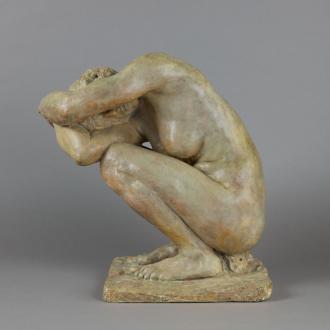
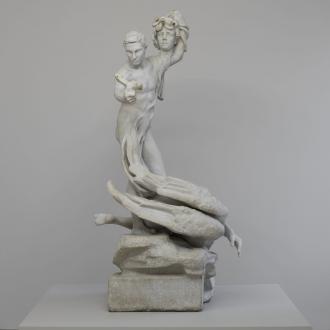
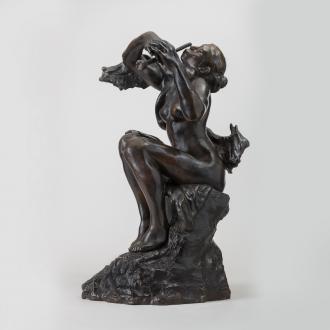
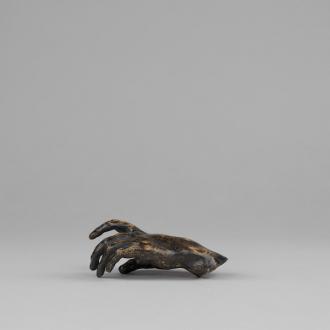
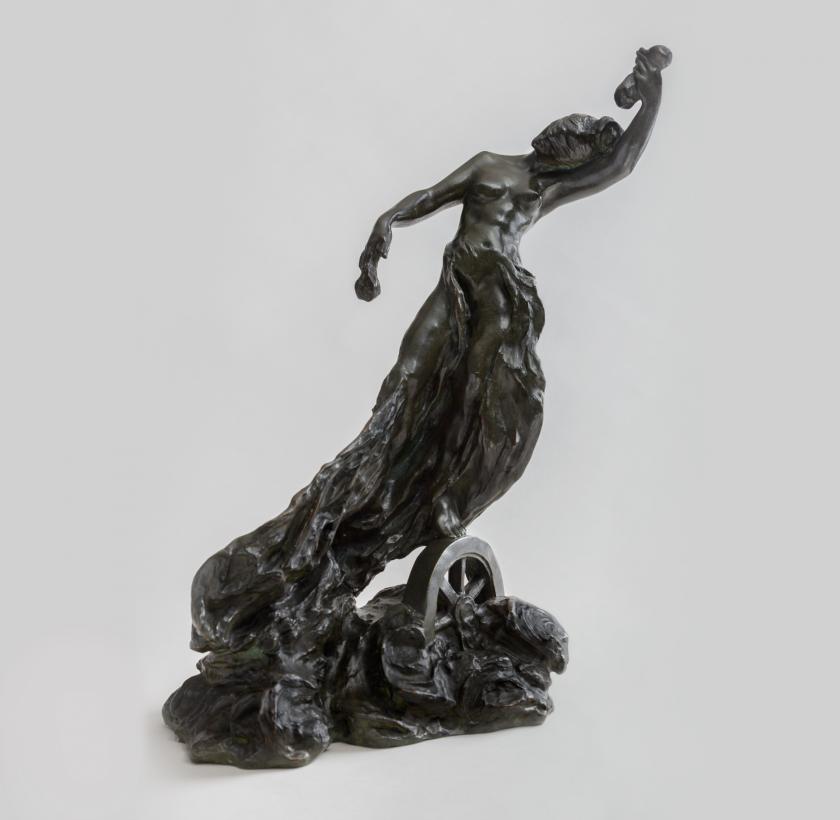
La Fortune
Isabel Duperray
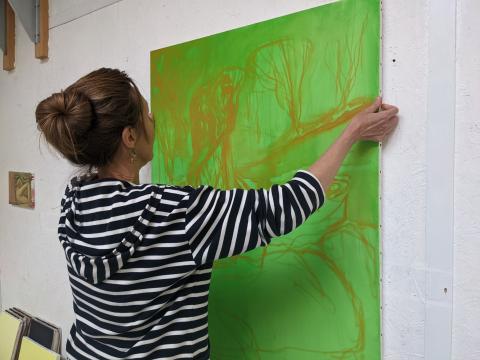
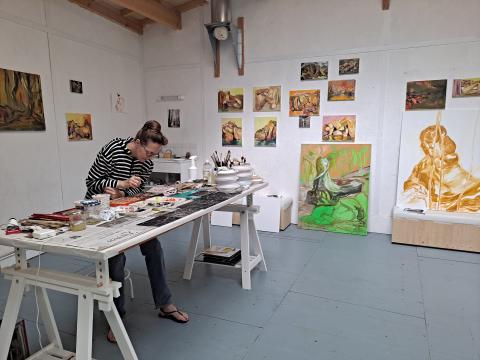
Chaque année, le musée Camille Claudel à Nogent-sur-Seine et l’association Tournefou à Pâlis s’associent pour accueillir un artiste en résidence de recherche et création pendant deux mois. En 2022, c’est l’artiste peintre Isabel Duperray qui a été sélectionnée par le jury parmi les nombreuses candidatures reçues.
Jusqu'au 25 juillet 2022, Isabel Duperray présente au sein des collections permanentes du musée les tableaux peints au cours de sa résidence. Le dialogue qu’elle a engagé avec les sculptures du musée se poursuit ainsi sous le regard du public.
Une relation particulière avec les œuvres du musée
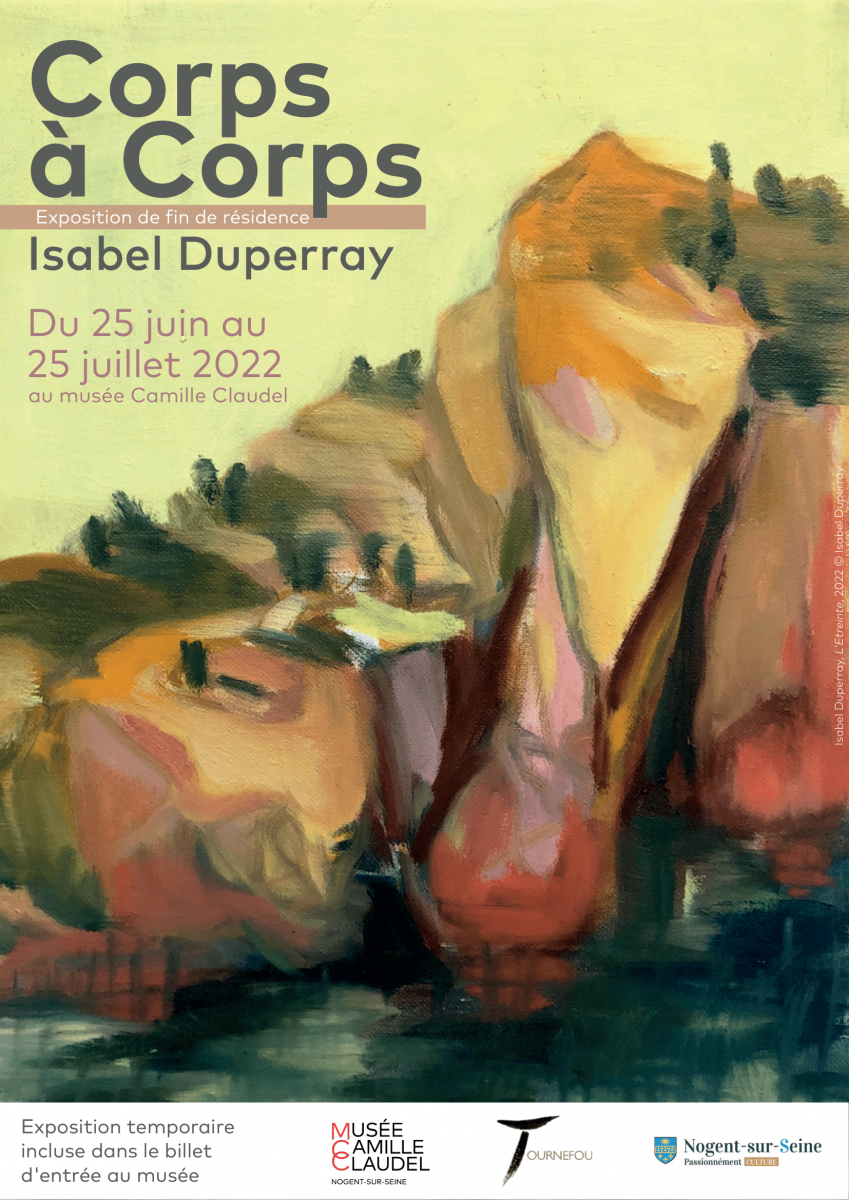 Isabel Duperray a travaillé sur l’inscription du corps dans le paysage et en particulier sur la dimension charnelle et érotique du corps féminin, en écho aux œuvres de Camille Claudel. L’ambivalence qu’elle perçoit dans celles-ci a été une source d’inspiration primordiale : sa capacité à incarner la force et la vulnérabilité, l’élan de la jeunesse et la destinée de la vieillesse.
Une autre caractéristique de ses sculptures a marqué Isabel Duperray : les chevelures qui prennent des formes fantastiques, sortes d’excroissances qui surmontent la tête de certains personnages, évoquent des racines qui la ramènent aux paysages qui l’inspirent tant et auxquels elle prête volontiers des formes anthropomorphes.
L’artiste a choisi de peindre des petits formats qui invitent à une contemplation intimiste et, en écho à la capacité de Camille Claudel à suggérer le mouvement, elle présente des diptyques et des triptyques, qui nous permettent d'approcher un même motif perçu à des moments différents.
Des échanges avec les visiteurs du musée
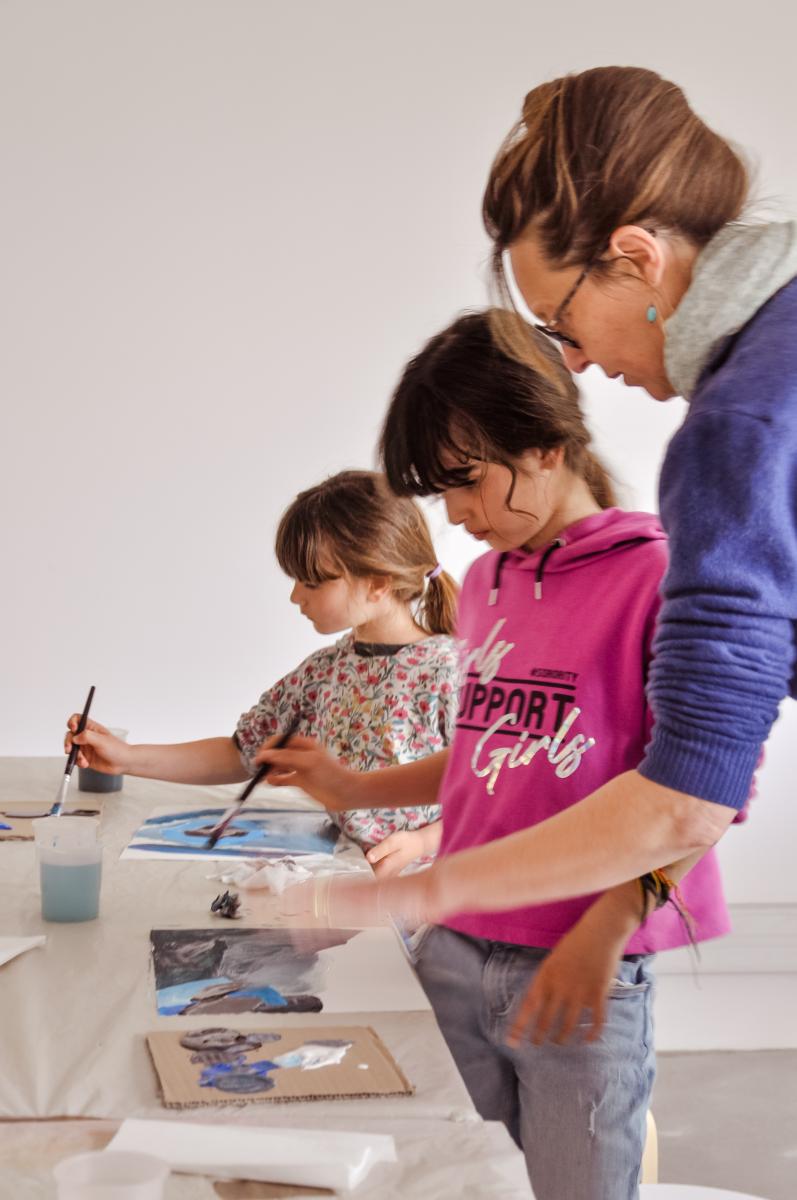
Au cours de sa résidence, l’artiste a animé deux événements au musée : un atelier de pratique artistique destiné aux enfants, ainsi qu’un hors d’œuvre - une visite méridienne de 30 minutes proposée autour d’une œuvre ou d’une thématique particulière.
Ces deux rendez-vous ont permis aux participants de passer un moment privilégié avec l’artiste, de découvrir les œuvres du musée qui l’ont le plus inspirée au cours de sa résidence, d’échanger de vive voix avec elle et, pour les plus petits, de peindre à ses côtés !
Première Pensée d'amour
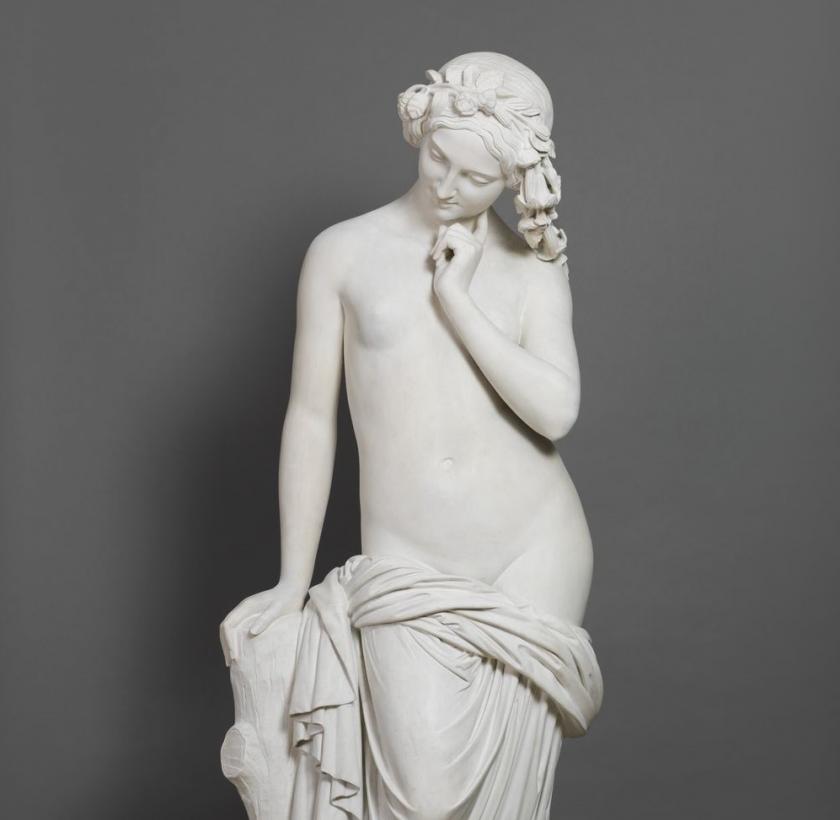
Première Pensée d'amour
Une adolescente au corps gracile observe un couple de colombes représenté à ses pieds. Son attitude et son expression pensives font écho au titre de l’œuvre pour suggérer que les animaux reflètent les premiers émois de la jeune fille. La présence des animaux mais aussi celle des fleurs, soigneusement représentées sur la terrasse et en couronne dans les cheveux, créent une proximité avec la nature qui contribue à placer les sentiments de la jeune fille dans le registre de l’innocence. La pose et le drapé roulé sur les hanches reprennent les codes néoclassiques, mais ceux-ci sont vidés de leur référence mythologique. La grâce et la délicatesse de la figure rappellent en particulier les sculptures d’Antonio Canova. Marius Ramus a perpétué le style néoclassique tard au XIXe siècle, y compris à la fin de sa carrière alors qu’il était installé à Nogent-sur-Seine, ville d’origine de son épouse. Il a joué un rôle essentiel dans la création d’une lignée de sculpteurs nogentais ; il a notamment été à l’origine de la vocation du jeune Alfred Boucher qu’il a pris sous son aile avant qu’il ne parte se former à Paris.
Le travail en représentations
Le travail en représentations : journée d'étude en ligne
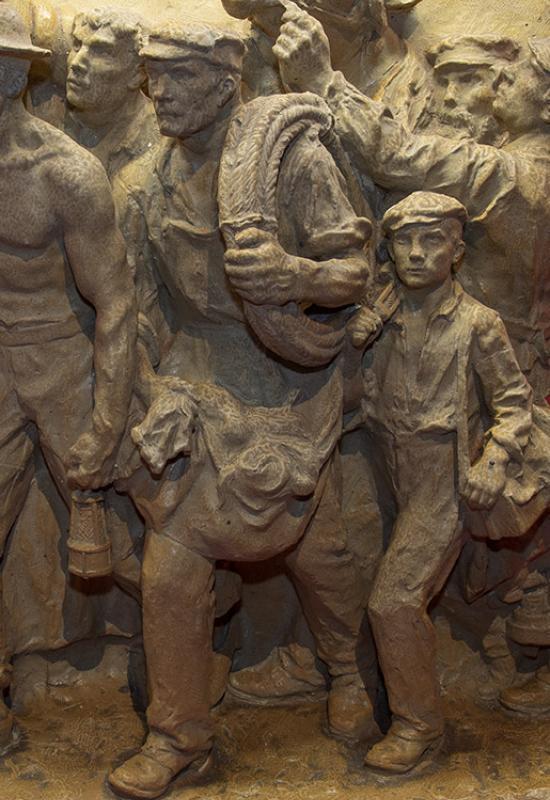
Petit Palais – musée des Beaux-Arts de la Ville de Paris
musée Camille Claudel, Nogent-sur-Seine
Le Petit Palais, musée des Beaux-Arts de la Ville de Paris et le musée Camille Claudel organisent une journée d’étude à l’occasion de l’exposition Les Sculpteurs du travail : Meunier, Dalou, Rodin… au musée Camille Claudel (exposition prolongée jusqu’au 12 septembre 2021). Elle réunira historiens de l’art et conservateurs de musées autour du thème de la représentation du travail en sculpture et plus généralement dans les arts visuels.
Retrouvez tout le programme ici
Connectez-vous sur ce lien pour participer à la conférence : https://zoom.us/j/92855023305
Practical information
Place : Horaires & Tarifs :De 9h30 à 17h00 en ligne.
Lien de connexion :
https://zoom.us/j/92855023305
Retrouvez tout le programme ici
Navette exceptionnelle Paris – Nogent-sur-Seine
Dernier jour de l'exposition
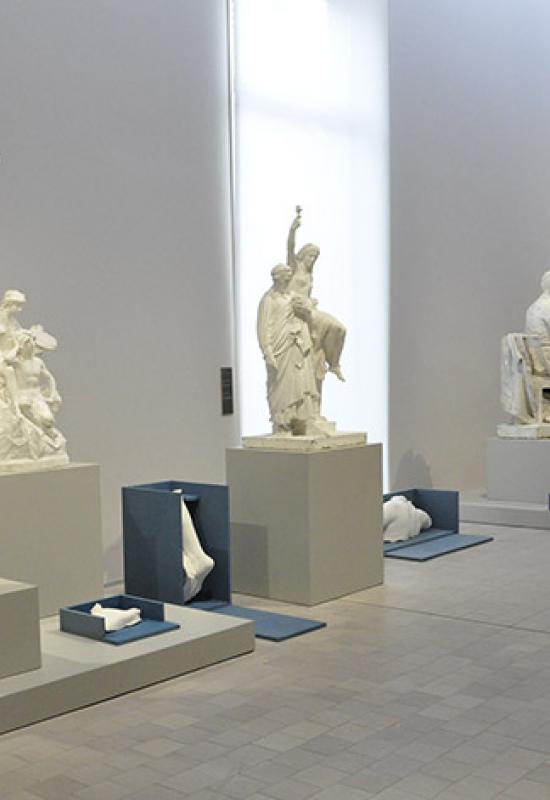
Pour le dernier jour de l’exposition À rebrousse-temps, une navette entre Paris et Nogent-sur-Seine est proposée.
Tarif par personne : 10 euros aller/retour. Billet à réserver en ligne sur le site du musée (billetterie en ligne). Le billet imprimé doit être présenté à la montée dans le bus.
Prendre son billet :https://museecamilleclaudel.tickeasy.com/fr-FR/accueil
Navette musée Camille Claudel
Aller : Dimanche 6 octobre 201912h30 précise, départ de Paris (place de la Bastille, devant l’Opéra, côté rue de Lyon). Arrivée Nogent-sur-Seine vers 14 h 30
Retour : Dimanche 6 octobre 2019 18h30 départ de Nogent-sur-Seine. Arrivée à Paris vers 20 h 30
Navette exceptionnelle Paris – Nogent-sur-Seine
Dernier jour de l'exposition
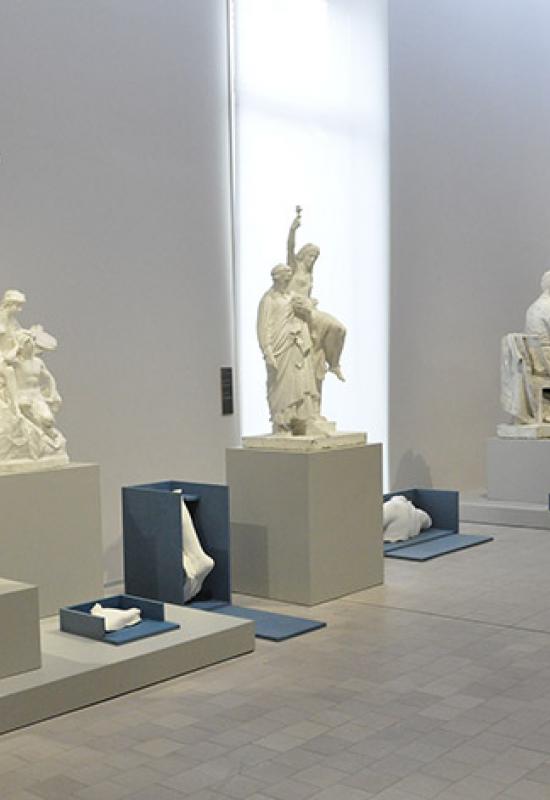
Pour le dernier jour de l’exposition À rebrousse-temps, une navette entre Paris et Nogent-sur-Seine est proposée.
Tarif par personne : 10 euros aller/retour. Billet à réserver en ligne sur le site du musée (billetterie en ligne). Le billet imprimé doit être présenté à la montée dans le bus.
Prendre son billet :https://museecamilleclaudel.tickeasy.com/fr-FR/accueil
Navette musée Camille Claudel
Aller : Dimanche 6 octobre 2019 12h30 précise, départ de Paris (place de la Bastille, devant l’Opéra, côté rue de Lyon). Arrivée Nogent-sur-Seine vers 14 h 30
Retour : Dimanche 6 octobre 2019 18h30 départ de Nogent-sur-Seine. Arrivée à Paris vers 20 h 30
Atelier jeune public
Le portrait… Un art de commande !
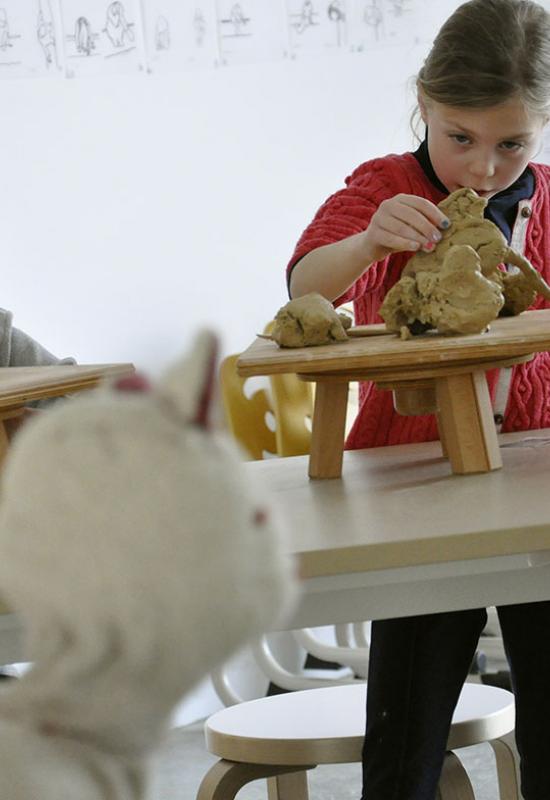
Le portrait sur commande était un moyen de subsistance pour les sculpteurs au XIXe siècle. Vous répondrez à la commande d'un peintre, d'un politicien, d'une danseuse... et ferez son portrait. Sera-t-il assez flatteur pour satisfaire votre commanditaire ?
Crédit photographique : Atelier de pratique artisitique au musée Camille Claudel. Nogent-sur-Seine, 2018 © Musée Camille Claudel
Practical information
Place :10 rue Gustave Flaubert
10400 Nogent-sur-Seine
15h
Public : enfants à partir de 5 ans
Tarif : 5€ par participant, 10€ le forfait 3 ateliers
Durée : 1h30
Places limitées, réservation conseillée par téléphone au 03 25 24 76 34 ou par courriel